
The Courage to Be Seen: Becoming Who We Are
Part 4 of a month-long series

Last week, I wrote about belonging.
I wrote about the universal search we all share for relationships, communities, and environments where we feel accepted, valued, and safe enough to stop worrying so much about how others see us.
Human beings do their best when they spend less energy protecting themselves and more energy growing into who they are capable of being.
That kind of becoming does not happen by accident. It happens through people.
People who encourage us when confidence feels fragile.
People who challenge us when growth feels uncomfortable.
People who trust us before we fully trust ourselves.
People who open doors we may never have walked through on our own.
And people who somehow see strengths and possibilities in us long before we know how to recognize those things for ourselves.
The longer I live, the more I believe this may be one of the deepest truths about being human. We help shape who other people become.
And that means we each carry a responsibility to influence one another in ways that call forth the very best in who people are capable of being.
Of course, becoming is never entirely someone else’s work. Other people may help us see possibility, but each of us still has to decide what we do with what we have been given.
Whether we trust the encouragement.
Whether we walk through the doors others open for us.
Whether we step toward the future others sometimes see in us before we fully see it ourselves.

When I look back now, I can trace my life through a remarkable series of people who entered my story at exactly the moments I needed them most.
People who saw something in me, and in doing so, helped shape the person I was slowly growing into. And what strikes me is not simply what each of them gave me. It is how differently each helped shape me.
Some awakened parts of me I had not yet discovered.
Some pushed me beyond what I thought was possible for me.
Some trusted me with opportunities I had not yet learned to trust myself with.
And a few saw possibilities in me I was still years away from recognizing on my own.
But together, they were doing something extraordinary. They were helping me grow more fully into the person I was already meant to become.
At nine years old, my third grade teacher, Judy Kelsheimer, gave me my first glimpse of something that would quietly shape me for decades to come. She let me grade papers, organize bulletin boards, and help in ways that made me feel capable, responsible, and trusted. Looking back now, I realize she was helping awaken the teacher in me long before I understood what it would eventually become.
As I grew older, more people kept revealing different parts of me to myself.
Patty Richards, my high school English teacher and drama club and yearbook sponsor, helped me discover the extraordinary power of words, images, and stories to make people think, feel, and see the world differently. She helped awaken the storyteller in me.
Anita Brown, my high school science teacher and Scholastic Bowl coach, challenged me intellectually in ways few others ever had and helped me discover the confidence that comes from realizing your mind is capable of far more than you once believed. She helped awaken a deeper belief in my own potential to learn and grow.
Terry Carrell, my high school track coach, saw potential in me I might never have discovered on my own. He pushed me harder than I ever would have pushed myself, helping me earn a place on two state champion relay teams and set school records at my high school that still stand nearly 40 years later. He helped awaken the competitor.

Long before I understood it, people were quietly helping me discover parts of myself I would carry for the rest of my life.
The teacher.
The storyteller.
The learner.
The competitor.
Parts of me I still carry into every room I enter today.
But as I got older, the lessons themselves started changing. What began with discovering parts of myself slowly evolved into understanding the kind of impact I wanted to have on other people.
At the University of Illinois, Bob Lumsden and Adlon Jorgensen, two mentors who profoundly shaped my development as a campus leader, helped me understand that leadership was something much bigger than titles or recognition. It could become part of how I moved through the world every day, in the way I served, showed up, and helped others.
Eventually, life introduced me to the people who would shape not just who I was growing into, but the work I would ultimately feel called to do.
Tom Mullett, an early manager in Detroit, entered my story during a chapter when I was far from home and still learning how to navigate adulthood on my own. He saw strengths in me early and gave me confidence during a season when I was still learning how to believe in myself. And in doing so, he helped me begin seeing myself as a young professional capable of far more than I had imagined.
Beth Oliver and Patti Brose (who you met in Part One of this series) trusted me with my first management opportunities long before I fully trusted myself with them. They helped me stop seeing people leadership as something I admired in others and begin recognizing it as something I was capable of stepping into myself.
Then came Manny Vidal.
Manny, founder of The Vidal Partnership, saw something in me I still cannot fully explain. He convinced me to leave a global firm in Atlanta where I was on the rise and join his small agency, one he believed could become world-class by helping major brands build deeper relationships with U.S. Hispanic consumers. I was not Latino. I did not speak the language. And still, he made me part of his management team.
That extraordinary act of trust changed me. Because somewhere inside that experience, my fascination with culture quietly took root. And that fascination would eventually shape everything that has come since.

Then, a cheerful Chief People Officer named Andrea Ledford entered my story.
And if I am being honest, I do not know if anyone has changed the direction of my career more profoundly than Andrea.
At the time, I thought I knew exactly who I was professionally. I had spent nearly twenty years building a successful career in marketing before founding Experience Willow, where my team and I were managing creative projects and producing live experiences I genuinely loved. As far as I knew, I had already found the work I was meant to spend the rest of my career doing.
But Andrea saw something in me I had not yet learned to see for myself.
While we were supporting the NCR marketing team on a brand refresh project, I was introduced to Andrea, and almost immediately, she started inviting me into entirely different conversations.
Conversations about people.
About leadership.
About culture.
About what happens when human beings feel connected to the work they do and the people around them.
At first, I did not fully understand what she saw. I simply knew she kept inviting me into work I had never imagined doing. And somewhere in that process, something extraordinary happened.
She helped me discover work I believe I was always meant to do.
The last twelve years of my career exist largely because she saw possibilities in me long before I saw them. And unlike so many people who notice potential quietly, she chose to do something about it.

Years ago, Andrea wrote me a heartfelt note I still keep at my desk. In it, she reminded me to keep believing in myself and wrote words I have never forgotten:
Be the light that people are attracted to and feel warm and secure around.
At the time, I appreciated those words. I do not think I fully understood them, but I do now. Because when I look honestly at the work that has defined the last decade of my career, I realize so much of it has centered around helping create exactly that.
Helping people feel safer.
Helping teams feel more connected.
Helping leaders create environments where people feel seen, valued, trusted, and able to do their best work.
And I know with certainty that much of that journey began because Andrea saw a possibility for me I could not yet see.
When I step back now, so much of who I have become exists because other people recognized something in me before I fully knew how to see it for myself.
Teachers.
Coaches.
Mentors.
Leaders.
But not only them.
Many people who helped shape me were never in positions of leadership or authority at all. Sometimes they were simply people who made me feel accepted. People who made me feel safe enough to believe I did not need to change who I was in order to belong.
And often, I suspect they had no idea how much that mattered.
When I look honestly at my own life, I know so many of its most meaningful chapters began because someone saw something in me, stood beside me, challenged me, accepted me, or opened a door I might never have walked through on my own.
The longer I live, the more convinced I am that few things are more powerful than the role we play in shaping another human being’s life.
And because we do, we each carry a profound responsibility.
To pay attention.
To offer belief.
To challenge with care.
To make room.
To create the kinds of conditions that call forth the best in other people rather than the most guarded, diminished, or fearful versions of themselves.
These are our opportunities to offer what others gave us.
And in doing so, we help others grow more fully into who they were always capable of becoming.
Next week in the fifth and final chapter of the The Courage to Be Seen: Now Be That Person For Someone Else.
What happens when we stop reflecting only on those who helped shape us, and begin asking how we can become that same source of belief, encouragement, and possibility for others.
If you found this blog post helpful, please share it with your friends and colleagues. If you have any comments, please share them below.
ABOUT THE AUTHOR
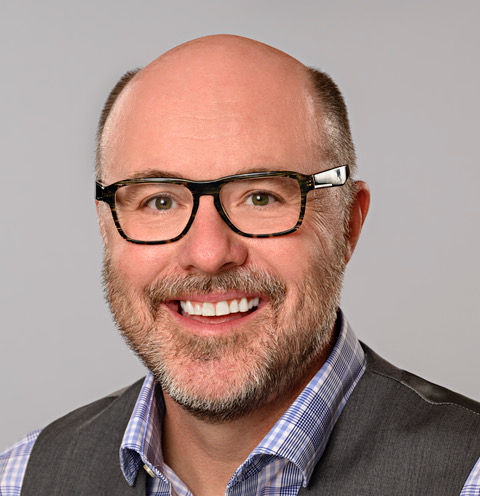
Kevin Finke is a human-centered leadership practitioner, consultant, and founder of Experience Willow. Through his writing and work, he helps leaders create the conditions where people feel seen, valued, connected, and able to do their best work. He believes that when we get the human experience right, performance follows.


Comments