
The Courage to Be Seen: Now Be That Person for Someone Else
- Kevin Finke
- Jun 30
- 5 min read
The final part of a month-long series

Over the last four weeks, I have written about hiding, belonging, dignity, and the people who helped shape so much of who I have become.
I have written about the teachers, coaches, mentors, leaders, and everyday people who entered my life at exactly the right moments and helped me see parts of myself I may never have discovered on my own.
As I sat with all of that this week while bringing this series to a close, I kept returning to one important lesson.
Life is constantly giving all of us the opportunities we need to become for others what others once became for us.
To offer encouragement when confidence feels fragile.
To create spaces where others feel safe enough to grow.
To see strengths and possibilities in people before they fully know how to recognize those things for themselves.
And to play some small role in helping shape who other human beings become.
The longer I live, the more I believe this may be one of the most extraordinary things we do as humans.
We are constantly helping shape one another.
And yet as extraordinary as it is, I believe most people spend far too little time thinking about how much impact they quietly have on the lives of people around them.
In many ways, I think this entire series has been leading me toward that realization.
When I began writing The Courage to Be Seen, I thought I was writing about what it means to stop hiding. About authenticity. About belonging. About learning to stop editing ourselves in order to feel accepted.
And in many ways, I was. Somewhere along this journey, though, I realized I was writing about something bigger.
The courage to be seen was never meant to stop with us. It was always meant to shape how we help other people feel safe enough to be fully seen too.

Every single day, often without even realizing it, we influence the experience other people have of the world around them.
At home.
At work.
In friendships.
In families.
In communities.
And in quiet moments where people are deciding whether it feels safe to speak honestly, ask questions, share ideas, admit uncertainty, take risks, or simply show up in the moment fully as themselves.
Most of us will never fully understand the impact we have on other people. That is part of what makes this so remarkable.
A sentence we barely remember may stay with someone for years.
A moment of trust may give someone confidence they did not know they possessed.
A small act of kindness may make life feel safer.
A door opened at exactly the right moment may quietly change the direction of an entire future.
And of course, the opposite is true too.
Careless words can make people feel small.
Dismissiveness can teach people their voice does not matter.
A lack of curiosity can make difference feel unsafe.
Indifference can quietly diminish confidence long before we ever realize we caused it.
We are shaping one another all the time.
The question is whether we are paying attention.
Lately, I have found myself thinking less about what I intend and more about what other people actually experience when they are around me.
Am I listening in ways that help people feel truly heard? Am I creating enough safety for people to share what they really think? Am I helping people feel stronger and more confident in who they are/what they can contribute? Am I making it easier for people to be more fully themselves? |
Am I listening in ways that help people feel truly heard?
Am I creating enough safety for people to share what they really think?
Am I helping people feel stronger and more confident in who they are and what they can contribute?
Am I making it easier for people to be more fully themselves?
And then comes the harder question. How would I know?
Impact is not measured only by what we intend to do. It reveals itself in what people experience because of us, and in what they feel safe enough to do next.
Do people tell me the truth? Do they bring me hard things early? Do they ask questions without apologizing for asking them? Do they offer ideas before they are fully polished? Do they recover after mistakes without disappearing into shame? Do they disagree honestly because they trust the relationship can hold it? Do they keep showing up with more of themselves, not less? |
None of these offer perfect proof. But they are signs.
Signs that people may feel safe enough, valued enough, and trusted enough to keep growing into more of who they already are.
The older I get, the more I realize these are the kinds of questions sitting underneath so much of the work I care most deeply about.
I have come to believe leadership is not simply about performance.
It is about cultivating the kinds of conditions where human beings can do their best living, learning, contributing, and flourishing.
And this, to me, is why Pride matters far beyond the LGBTQ+ community.
Pride, at its core, has always been about dignity.
The right to exist honestly.
The right to feel safe.
The right to stop shrinking ourselves simply to survive environments that refuse to make room for difference.
One of the deepest lessons Pride has taught me is that once we understand what it feels like to long for acceptance, safety, dignity, and belonging, we become far more capable of creating those same conditions for others.
Not only for people who look like us.
Or love like us.
Or believe what we believe.
But for anyone searching for spaces where they feel safe enough to simply be human.
At our best, we help create environments where other people feel more free to contribute, grow, and fully become who they already are.
The real courage to be seen is not simply learning how to step into the light ourselves. It is becoming the kind of person who makes it safer for others to step into theirs.

The people I remember most are not simply the people who loved me. They are the people who helped me see more clearly who I was capable of becoming.
I now find myself wanting to do that work even more intentionally, for more people, in the places where it matters most.
To create spaces where people feel safe enough to stop hiding.
To remind people that belonging never requires sameness.
To call forth strengths others may not yet trust in themselves.
And to remind more people that they, too, carry the power to help others flourish.
That, I think, is what The Courage to Be Seen has really been about all along.
Not simply finding the courage and freedom to be fully ourselves. But helping make that courage and freedom possible for others too.
Thank you for joining me on this Pride Month journey.
And thank you to every person who has ever made life feel safer, kinder, more accepting, and more human for someone else.
The world needs more of you.
This concludes The Courage to Be Seen, a five-part Pride Month reflection on authenticity, belonging, dignity, and the role we play in shaping one another’s lives. Thank you for allowing me to share this journey with you.
If you found this blog post helpful, please share it with your friends and colleagues. If you have any comments, please share them below.
ABOUT THE AUTHOR
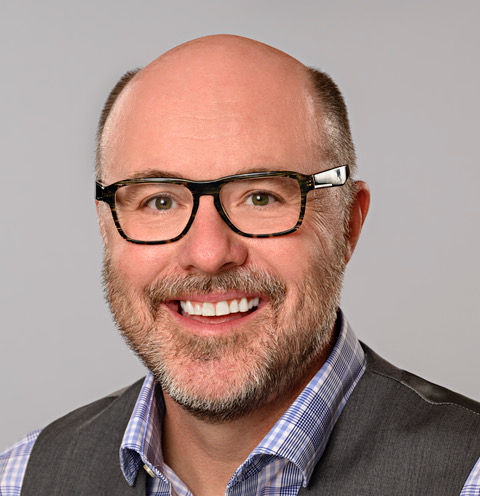
Kevin Finke is a human-centered leadership practitioner, consultant, and founder of Experience Willow. Through his writing and work, he helps leaders create the conditions where people feel seen, valued, connected, and able to do their best work. He believes that when we get the human experience right, performance follows.


Comments